
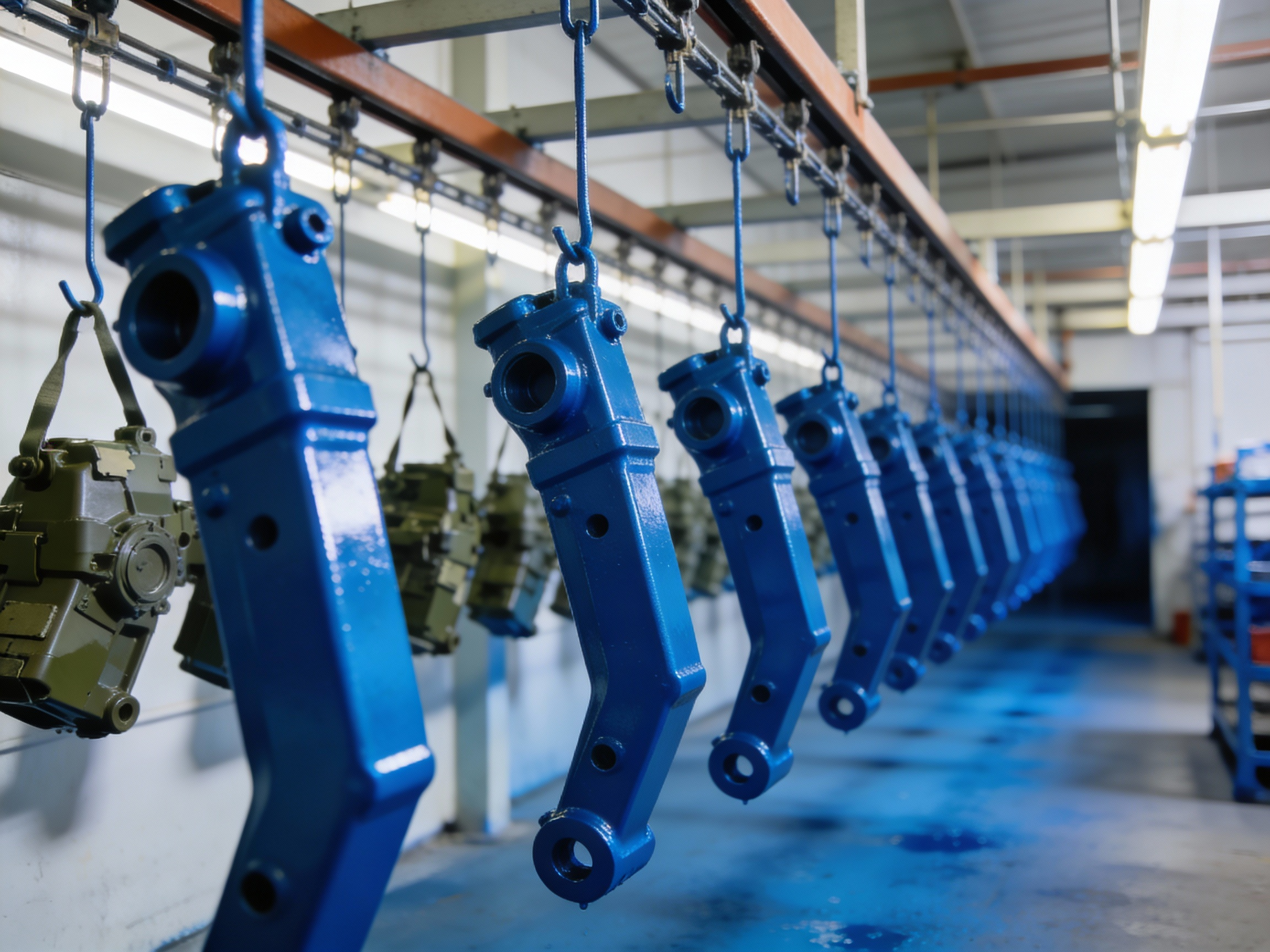
Powder Coating
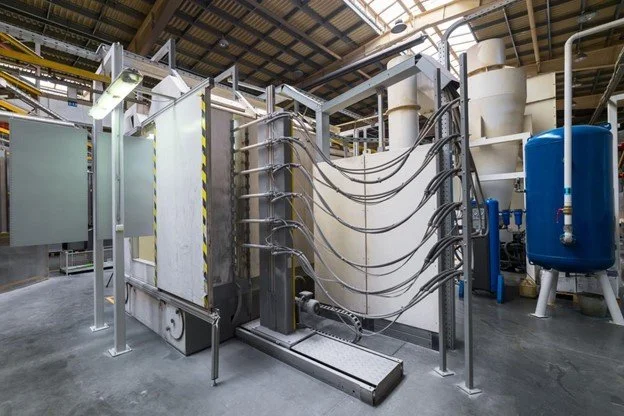
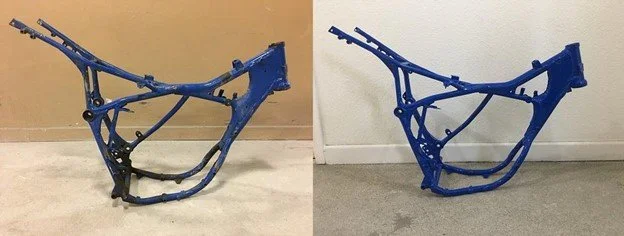
Industrial Powder Coating for Precision Parts
Engineered finishes for durability, corrosion resistance, and production consistency.
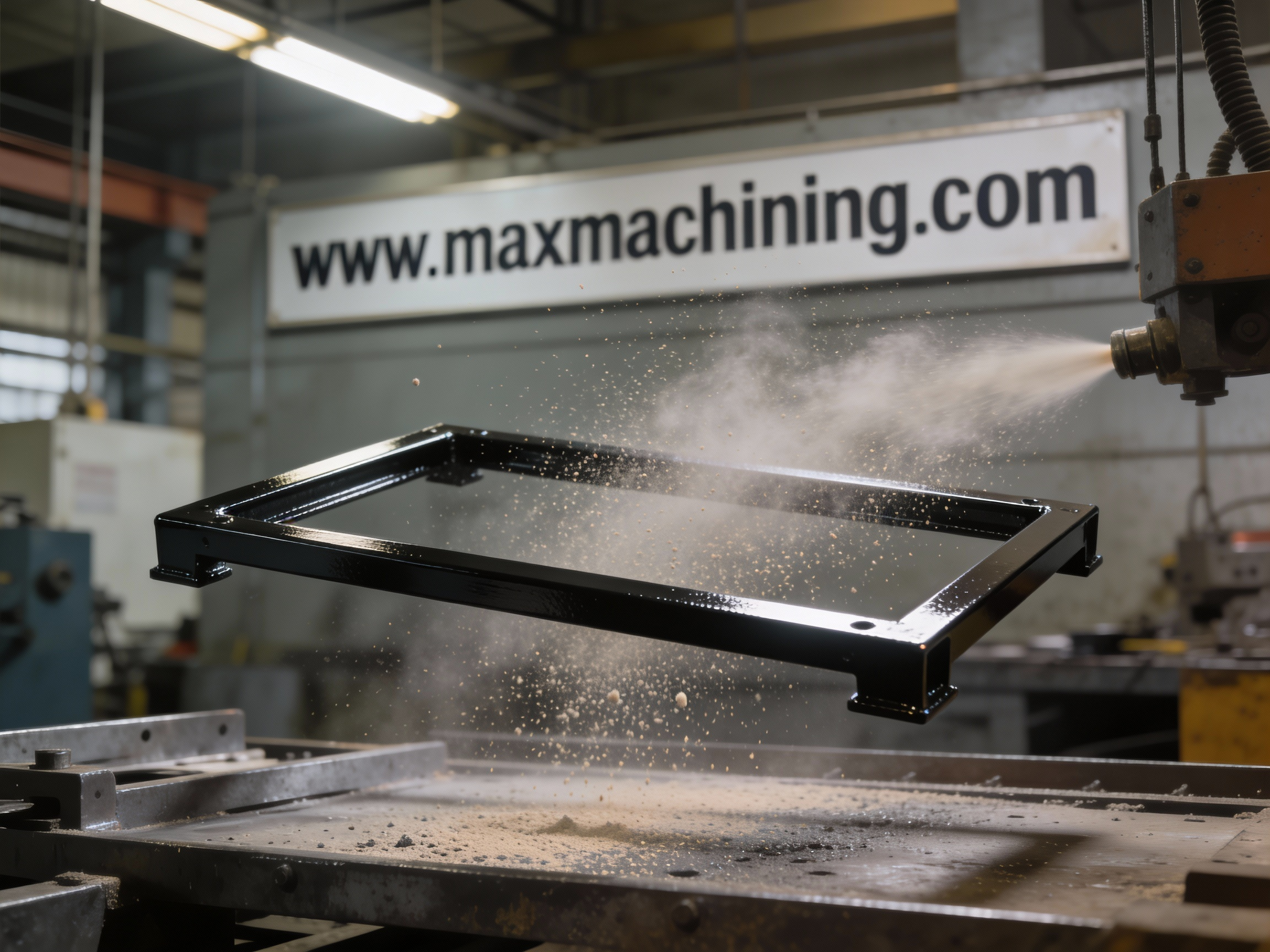
What Is Powder Coating?
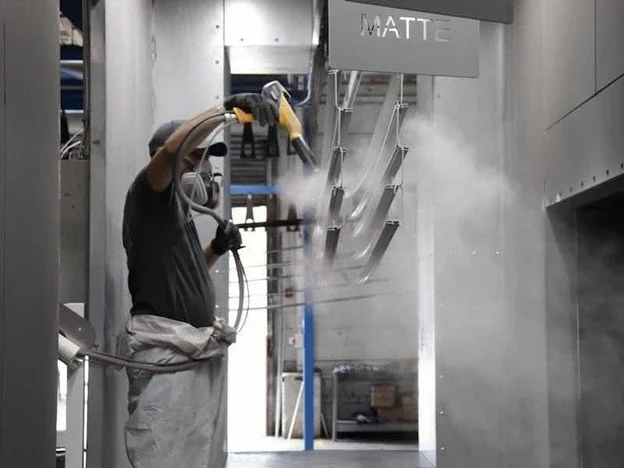
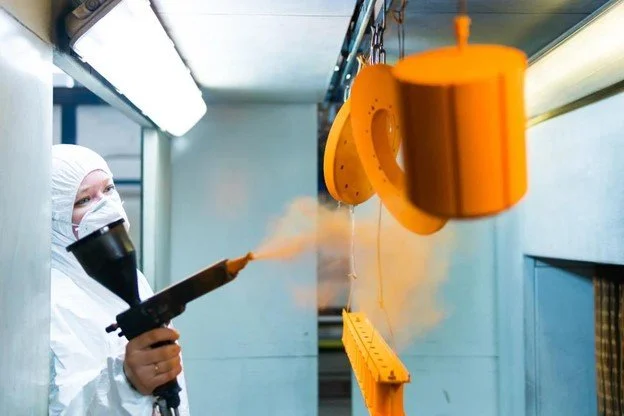
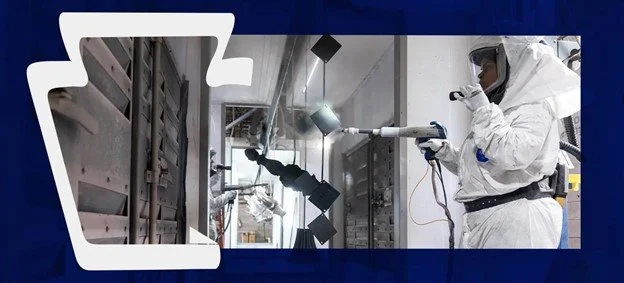
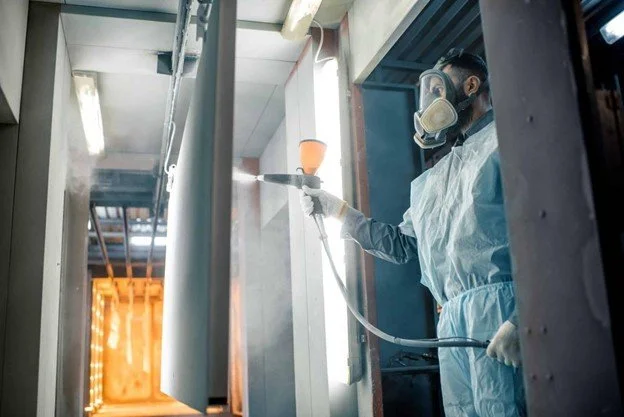
Powder coating is a dry finishing process where electrostatically charged powder is applied to a surface and then cured under heat to form a hard, durable coating.
Key Differences vs Paint:
No solvents (environmentally cleaner)
Thicker, more uniform coating
Superior durability
Better edge coverage
Why Engineers Specify Powder Coating
Core Benefits:
🛡️ Excellent corrosion resistance
💪 High impact resistance
🌦️ UV & weather durability
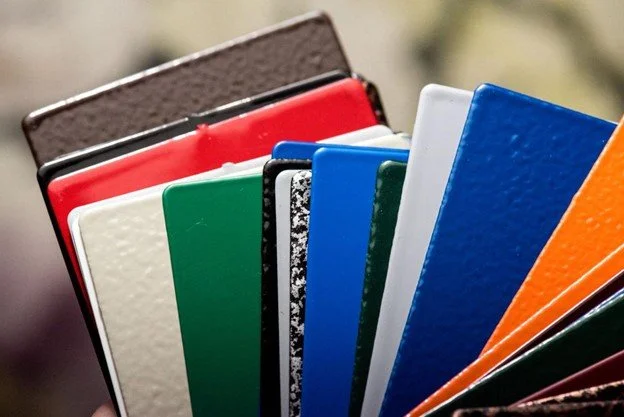
🎨 Wide color + texture selection
⚙️ Uniform coating on complex geometries
Powder Coating Types & Finish Options
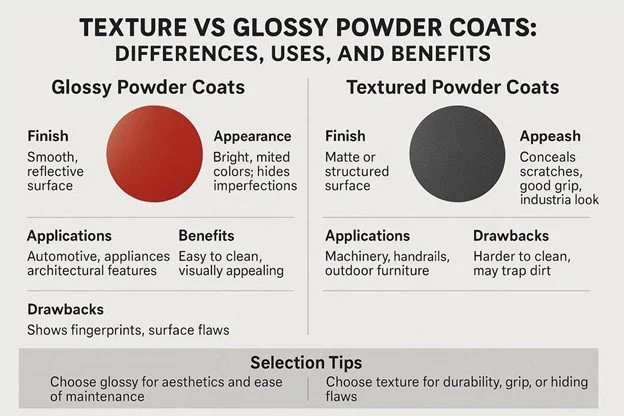
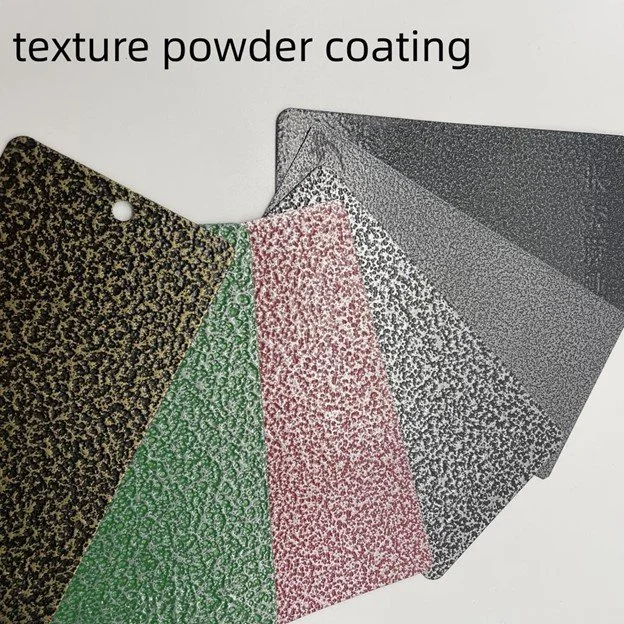
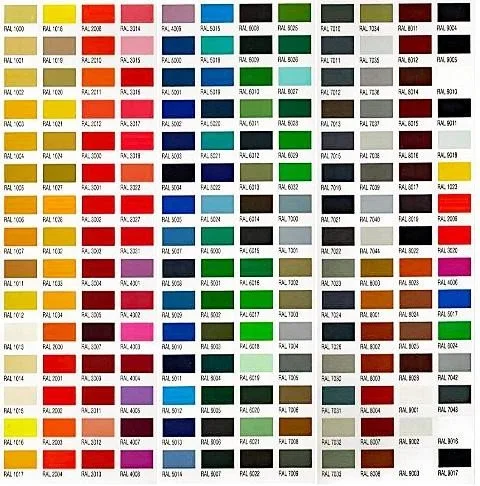
Standard Thermoset Powders
🔹 Finish Types
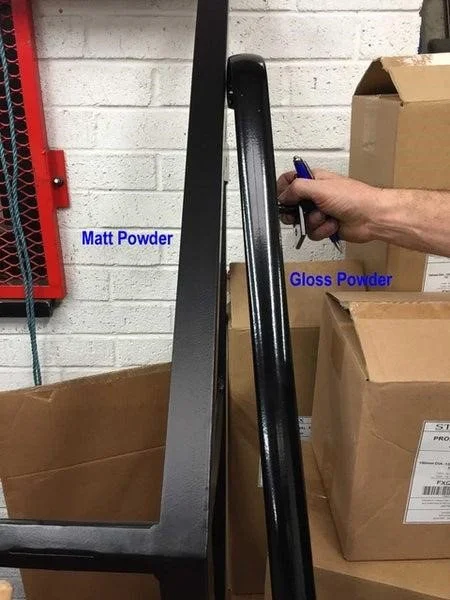
Smooth Gloss
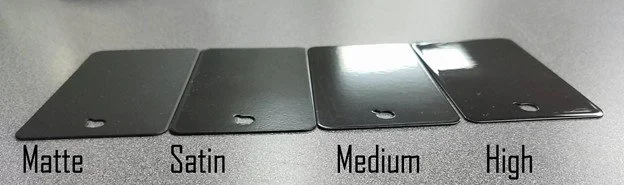
Matte / Satin
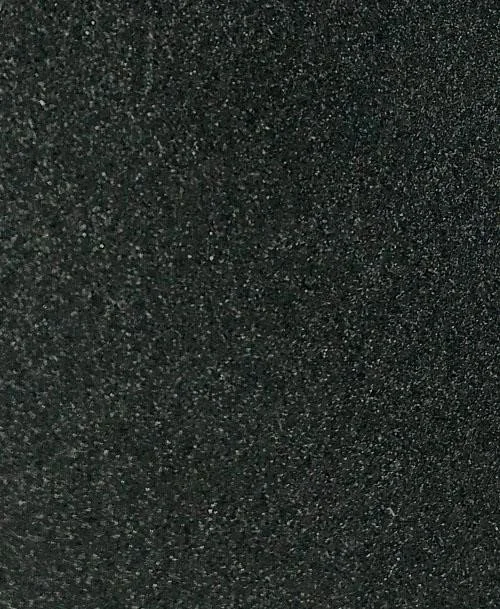
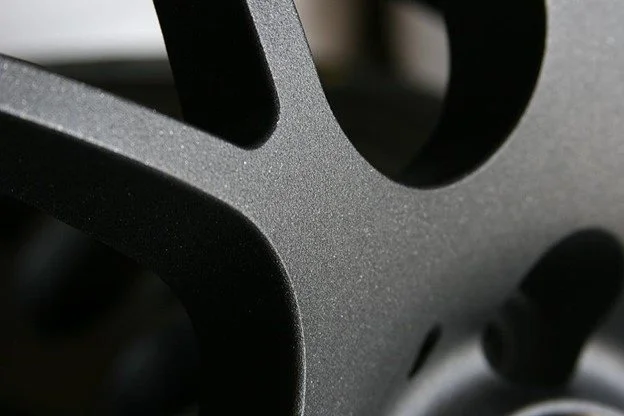
Textured (hides imperfections)
Wrinkle / Hammertone
💡 Engineer Insight:
Textured finishes help hide:
Laser edges
Machining marks
Minor surface defects
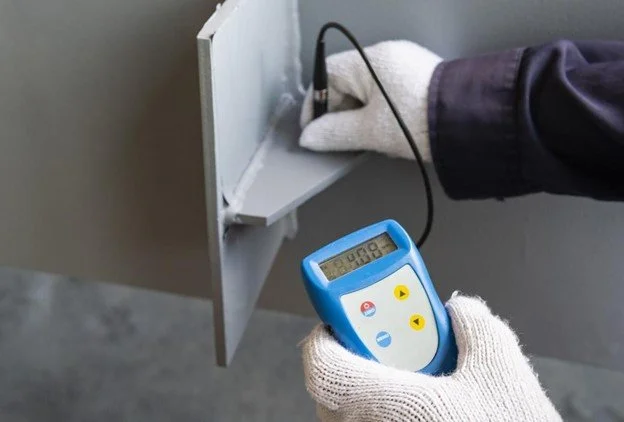
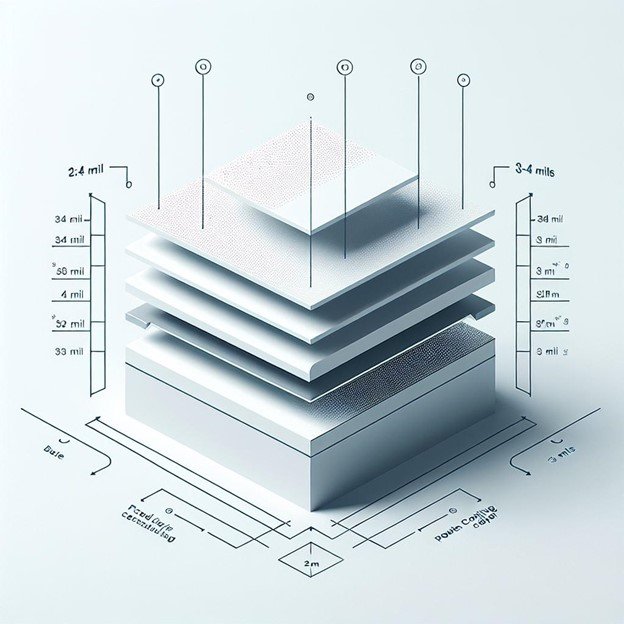
Coating Thickness (Critical For Design)
Typical Thickness:
2–6 mils (0.002”–0.006”)
Design Impact:
Threads may clog
Tight fits may fail
Edges build thicker coating
👉 Rule:
Powder coating is NOT dimensionally neutral — design for it early.
Engineering Design Guidelines (High Value)
Threads & Holes
Mask threads or tap AFTER coating
Avoid blind tapped holes
Use inserts when needed
Tolerances
Avoid tight slip fits unless masked
Plan for coating buildup on BOTH sides
Sharp Edges
Coating pulls away from sharp edges
Add radii for better adhesion
Large Flat Surfaces
Risk of:
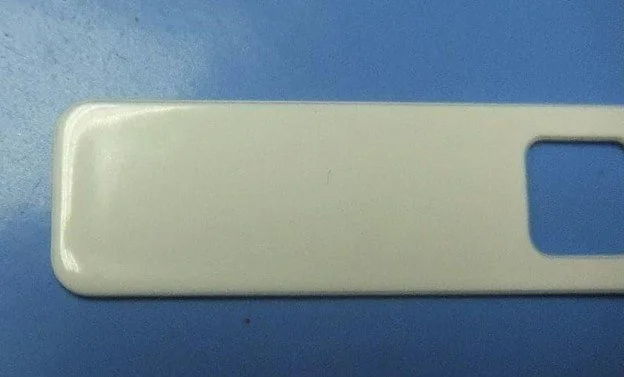
Orange peel texture
Warping (during cure)
Surface Preparation (Why Parts Fail)
This is where most shops fall short.
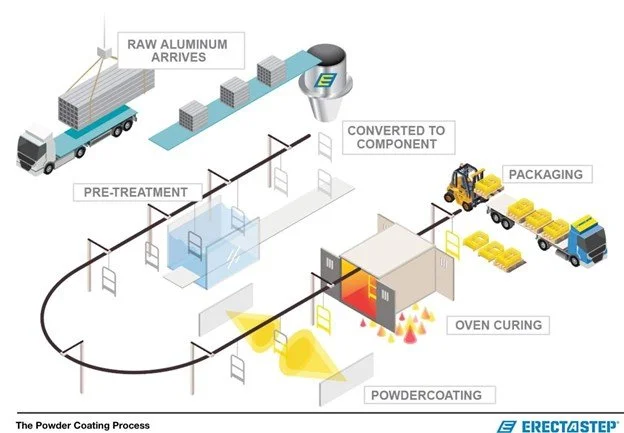
Proper Process:
Degreasing
Media blasting or chemical prep
Conversion coating (optional but recommended)
Powder application
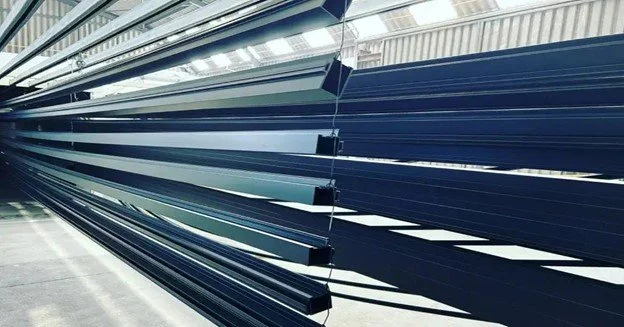
Cure cycle
👉 Skipping prep = coating failure
What to Watch For:
Orange peel texture
Pinholes / outgassing
Thin edges
Uneven color
We identify these risks during quoting before production.
Powder Coating Vs Anodizing
Color & Finish Control
RAL color matching available
Black = most consistent
Batch variation may occur
DFM Warnings
🚨 Threads not masked
🚨 Tight tolerance assemblies
🚨 Mixed materials
🚨 No venting (outgassing risk)
Upload your CAD — we’ll flag powder coating risks instantly.
Ready to Start Your Project?
Take the next step toward precision manufacturing with Max Machining. Whether you have a 2D drawing, a 3D model, or just a concept, our team is ready to provide a fast, accurate quote and guide your project from design to production. Partner with a compliant, trusted, and experienced manufacturing team that delivers quality, speed, and reliability every time.