Bead Blasting Finish

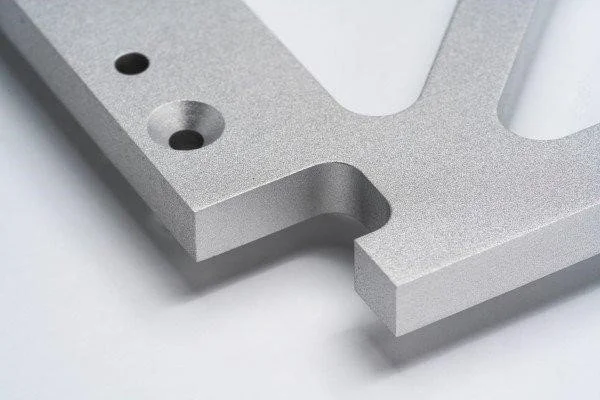
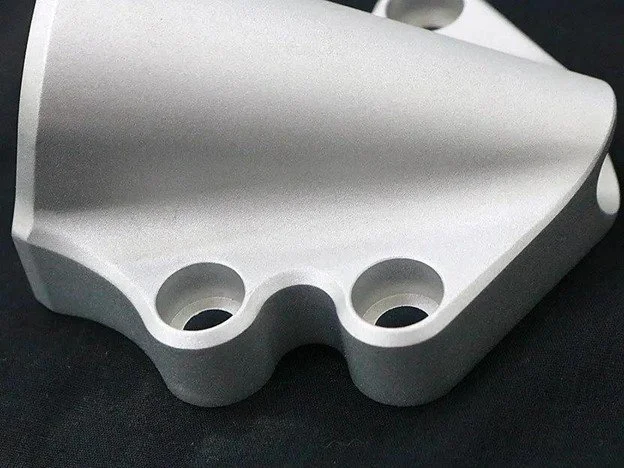
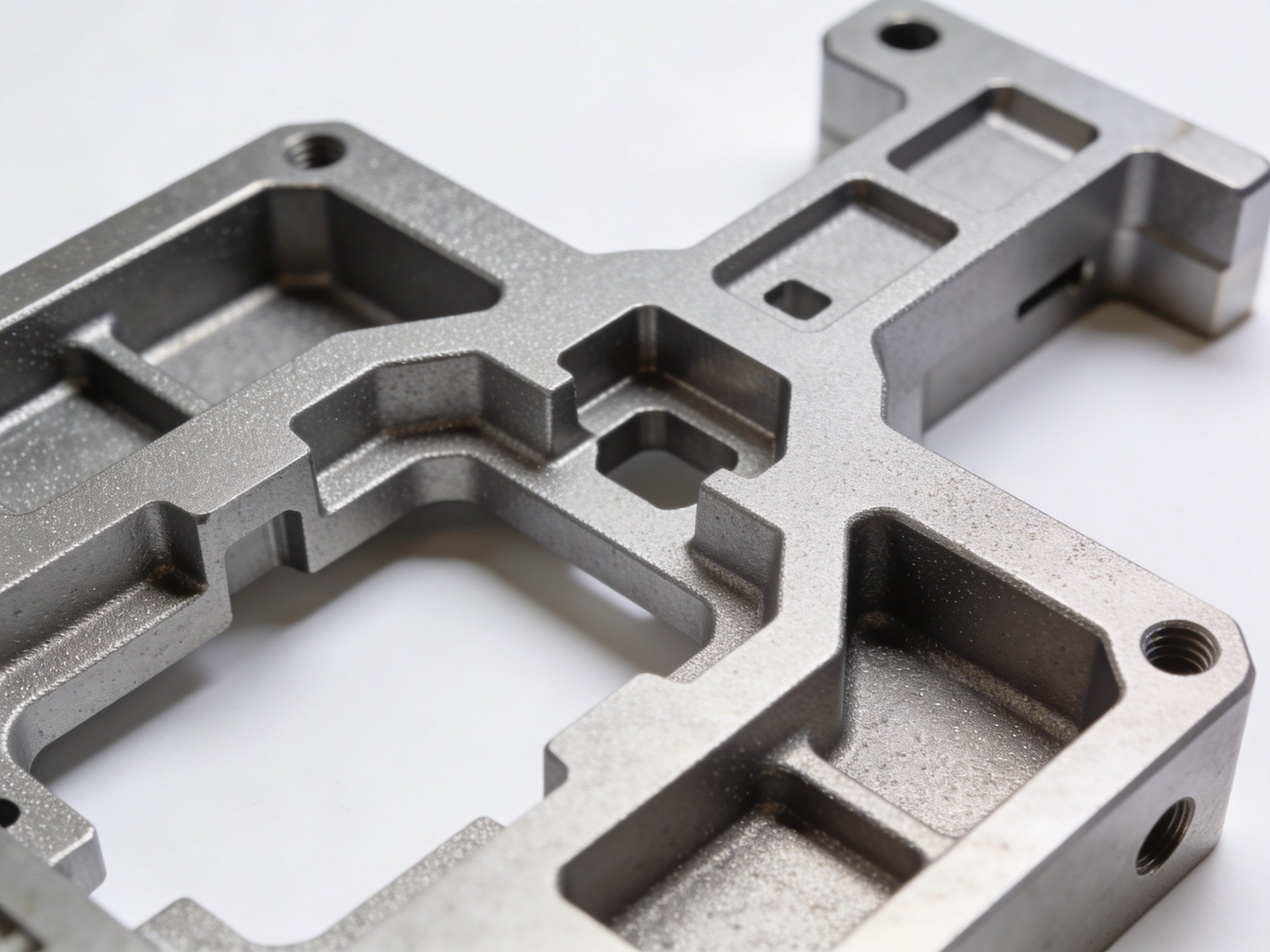
Close-up of a gray metal or aluminum machined part with holes and a curved cutout.
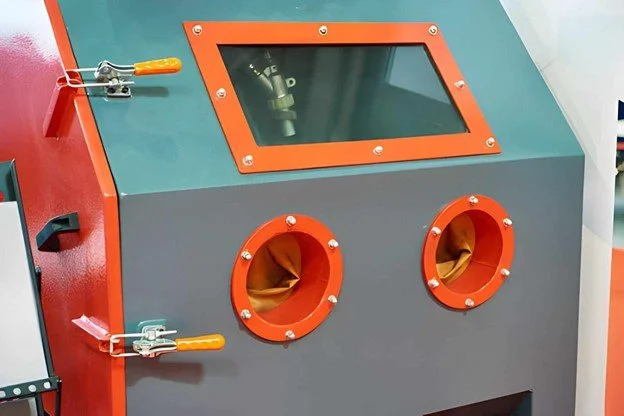
Industrial machine with a touchscreen display and two circular openings with orange borders and brown gloves inside.
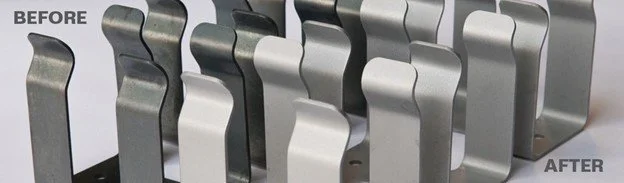
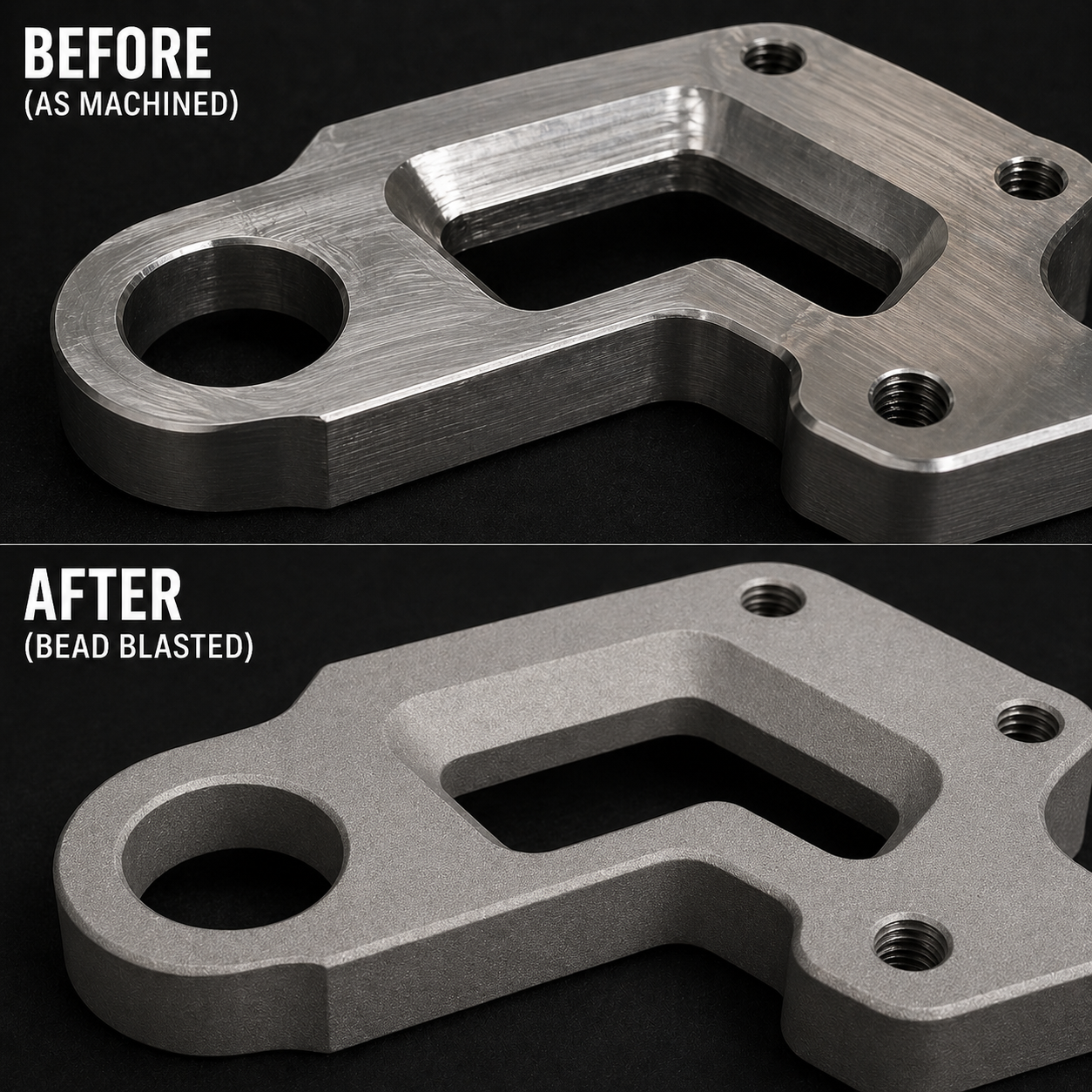
Comparison of metal objects before and after cleaning or polishing, labeled as 'BEFORE' and 'AFTER'.

Uniform Matte Surface for Clean, Professional Parts

Bead blasting is a mechanical surface finishing process that uses fine media (typically glass beads) to create a smooth, uniform matte texture on metal parts.

It is commonly used to improve appearance, remove surface imperfections, and prepare parts for secondary finishes such as anodizing, powder coating, or painting.
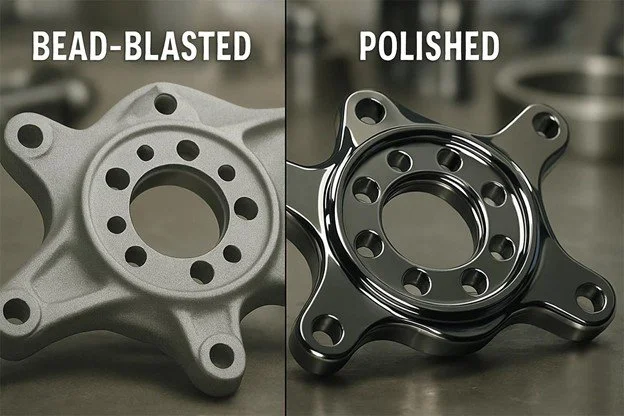
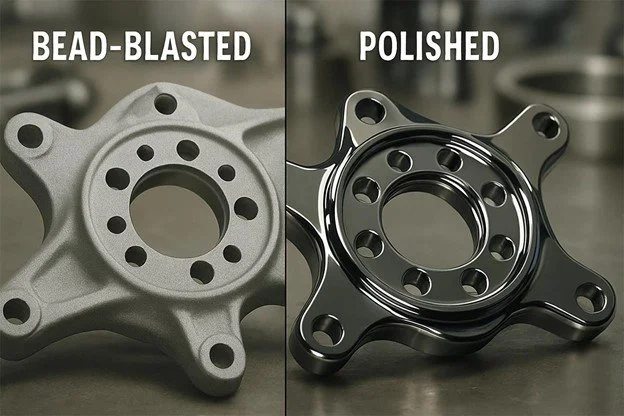
Comparison of a wheel hub, showing a bead-blasted matte finish on the left and a polished shiny finish on the right.
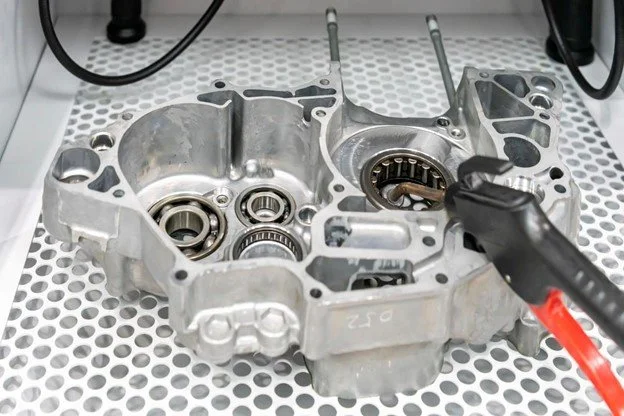
A disassembled metal engine part, possibly a transmission case, with visible gears and bearings, placed on a white perforated surface, with a black and red tool in the foreground.
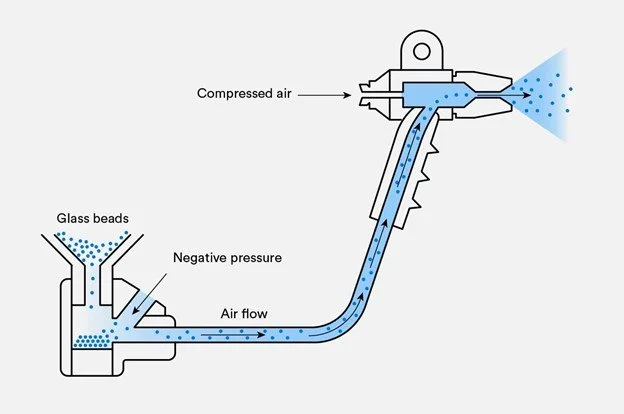
Diagram of a vacuum suction device with glass beads, showing compressed air, negative pressure, and air flow.

What Is Bead Blasting?

Bead blasting propels fine spherical media at the surface of a part to:

• Remove machining marks

• Create a consistent texture

• Reduce surface reflectivity

• Clean and prepare the material

Unlike sanding or grinding, bead blasting produces a non-directional finish, meaning the surface looks consistent from all angles.
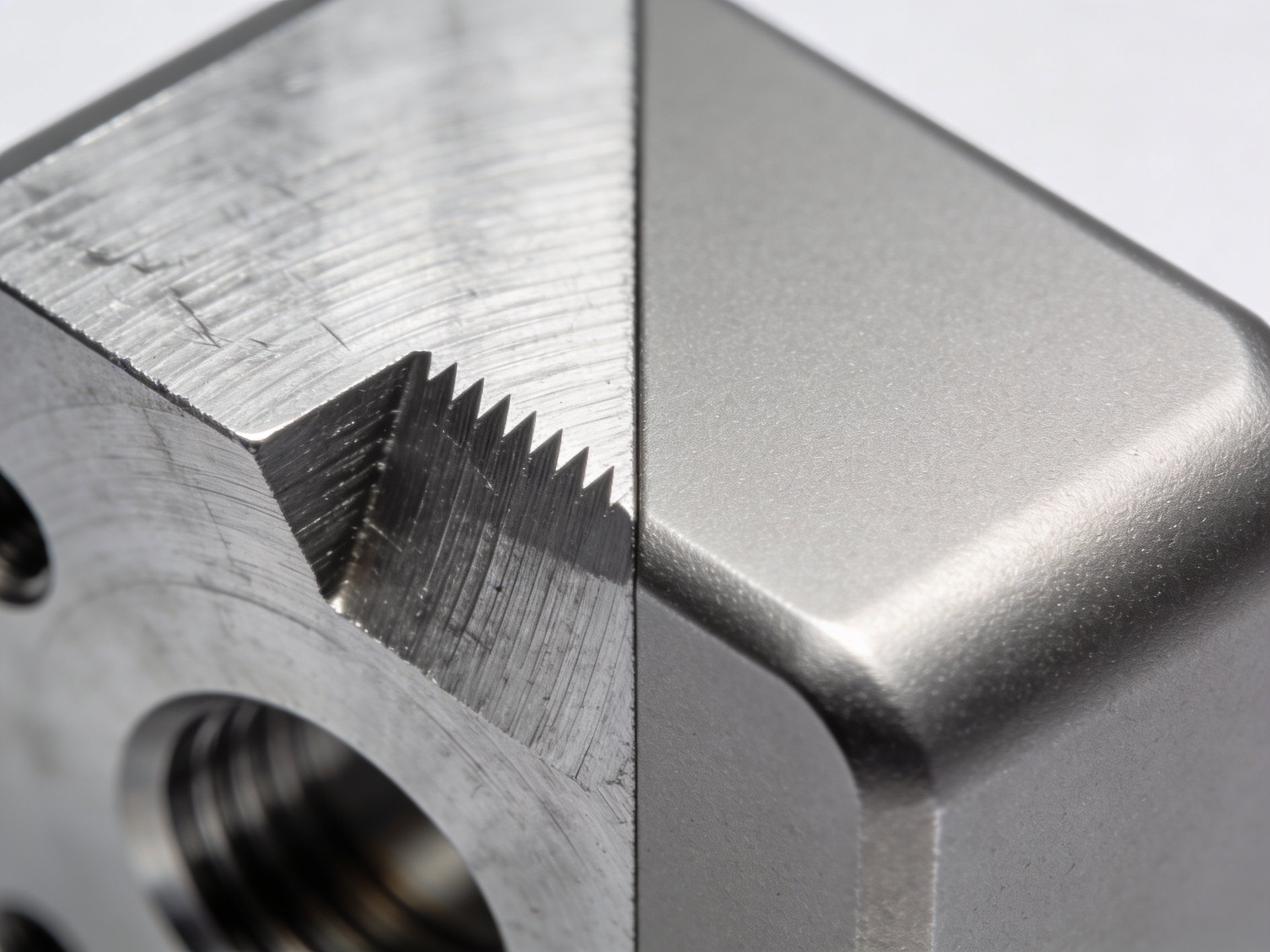
Close-up of a metal machine tool with a serrated edge and a smooth, flat surface, showing detailed machining marks.
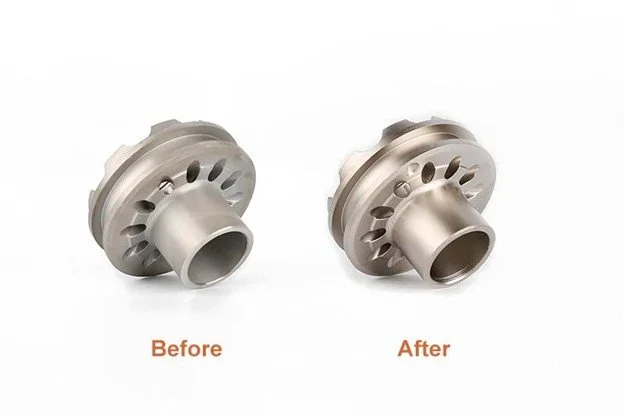
Comparison of a metal component before and after cleaning or polishing, labeled 'Before' and 'After'.
Comparison of a machined metal part before and after bead blasting, showing a smooth, matte finish after finishing.

What to Expect from Bead Blasting

Bead blasting will:

✔ Create a smooth, matte appearance
✔ Reduce visible machining marks
✔ Improve cosmetic consistency
✔ Reduce glare and reflections

⚠ Bead blasting will NOT:

  • Remove deep scratches

  • Correct dimensional issues

Produce a polished finish
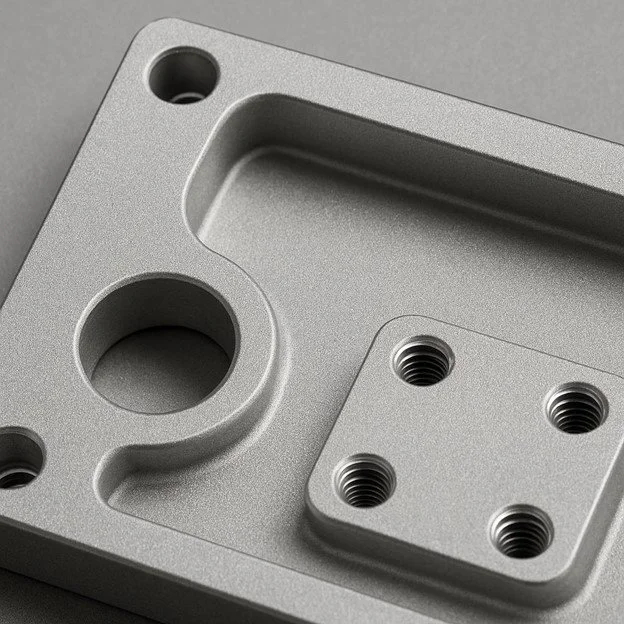
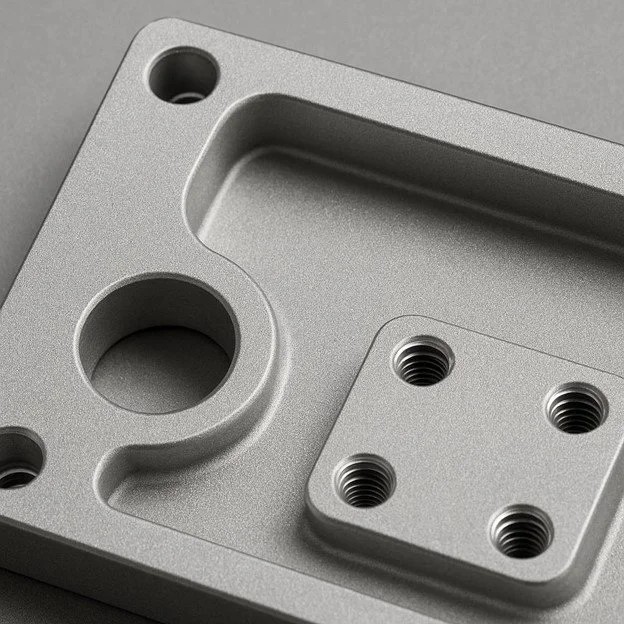
A close-up view of a metallic CNC-machined part with drilled and threaded holes.
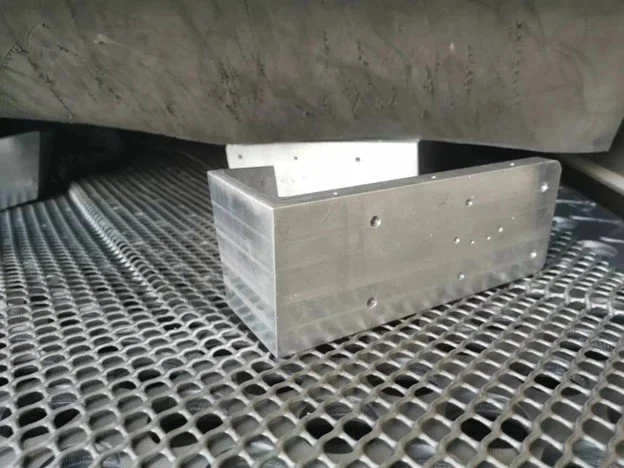
A metal rectangular block on a perforated metal surface with a concrete ceiling above.
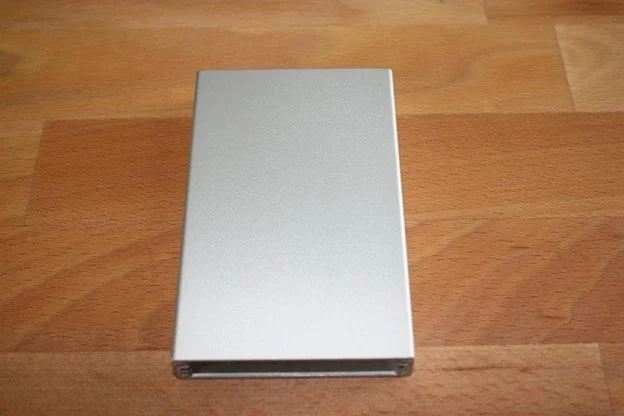
A closed silver rectangular box on a wooden surface.

Common Bead Blasting Applications

Bead blasting is commonly used for:

  • Cosmetic aluminum components

  • Aerospace and defense parts

  • Consumer-facing parts

  • Electronics housings

  • Robotics and automation components

  • Medical and laboratory equipment

  • Pre-treatment before anodizing or coating
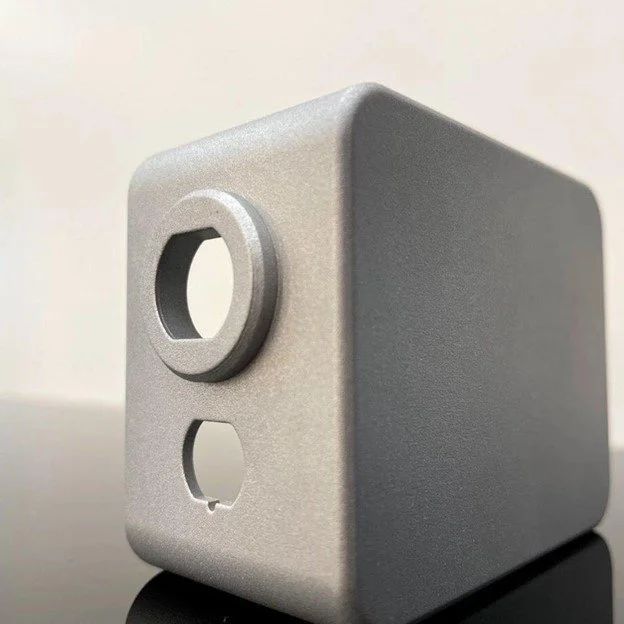
Close-up of a silver metallic speaker or electronic device with two circular openings on its front panel.
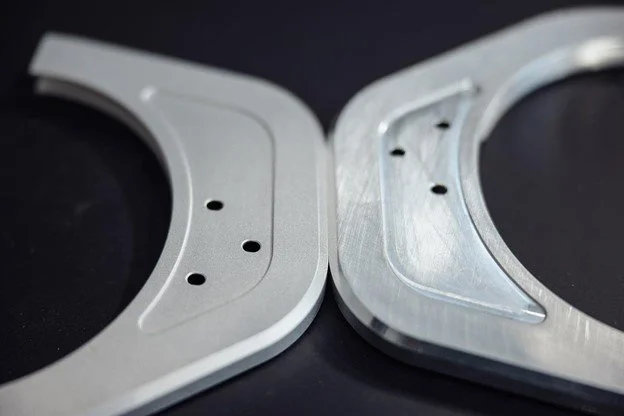
Two metal brake caliper brackets on a black background.
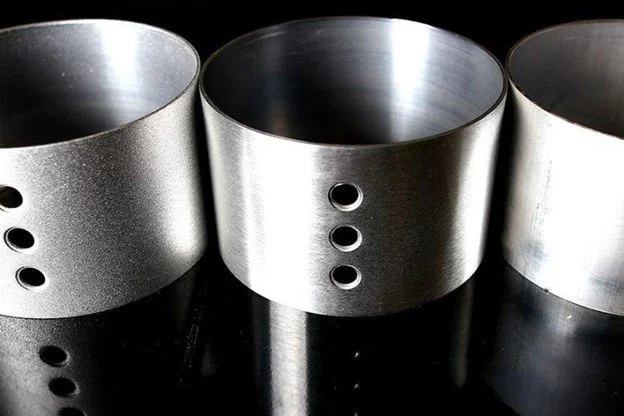
Three metal pistons with circular holes on a black reflective surface.

Bead Blasting + Anodizing

Bead blasting is often combined with anodizing to achieve a premium finish.

Process flow:

  1. Machine part

  2. Bead blast surface

  3. Anodize

Result:

  • Clean, uniform matte finish

  • Reduced visible machining marks

  • High-end cosmetic appearance

👉 This is the preferred finish for:

  • Consumer products

  • Aerospace components

Visible aluminum parts
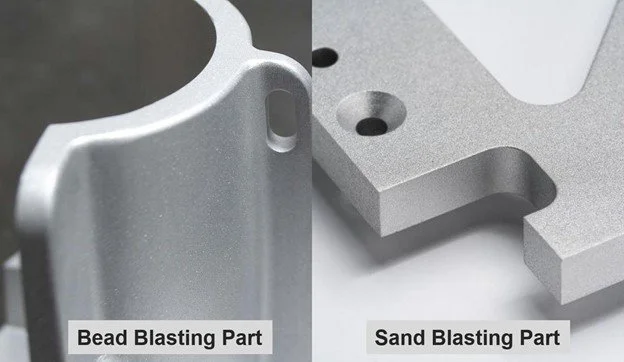
Two metal blasting parts labeled as 'Bead Blasting Part' on the left and 'Sand Blasting Part' on the right.
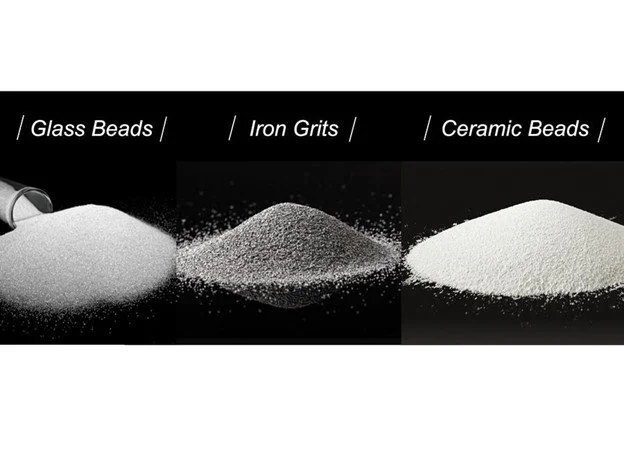
Visual comparison of glass beads, iron grits, and ceramic beads, each shown as different types of grinding or polishing media on a black background with labels.
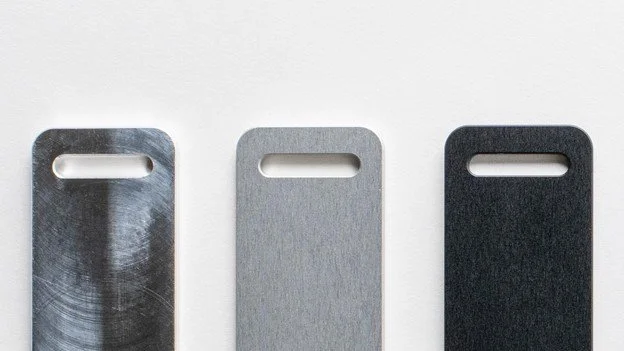
Three metal luggage tags in black, silver, and dark gray colors arranged in a row.

Surface Finish Considerations

Final appearance depends on:

  • Media type (glass bead, ceramic, etc.)

  • Media size (fine vs coarse)

  • Base material

  • Initial surface condition

⚠ Important:

  • Rough parts will still appear rough after blasting

  • Deep tool marks may remain visible

  • Finish is cosmetic, not corrective

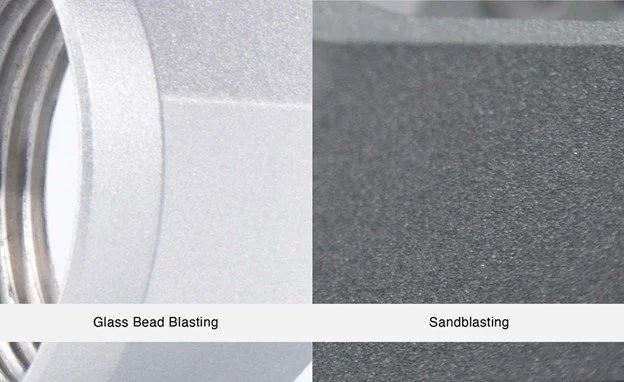
Comparison of glass bead blasting and sandblasting finishes on surfaces
Side-by-side comparison of a wheel hub, showing a bead-blasted matte finish on the left and a polished shiny finish on the right.
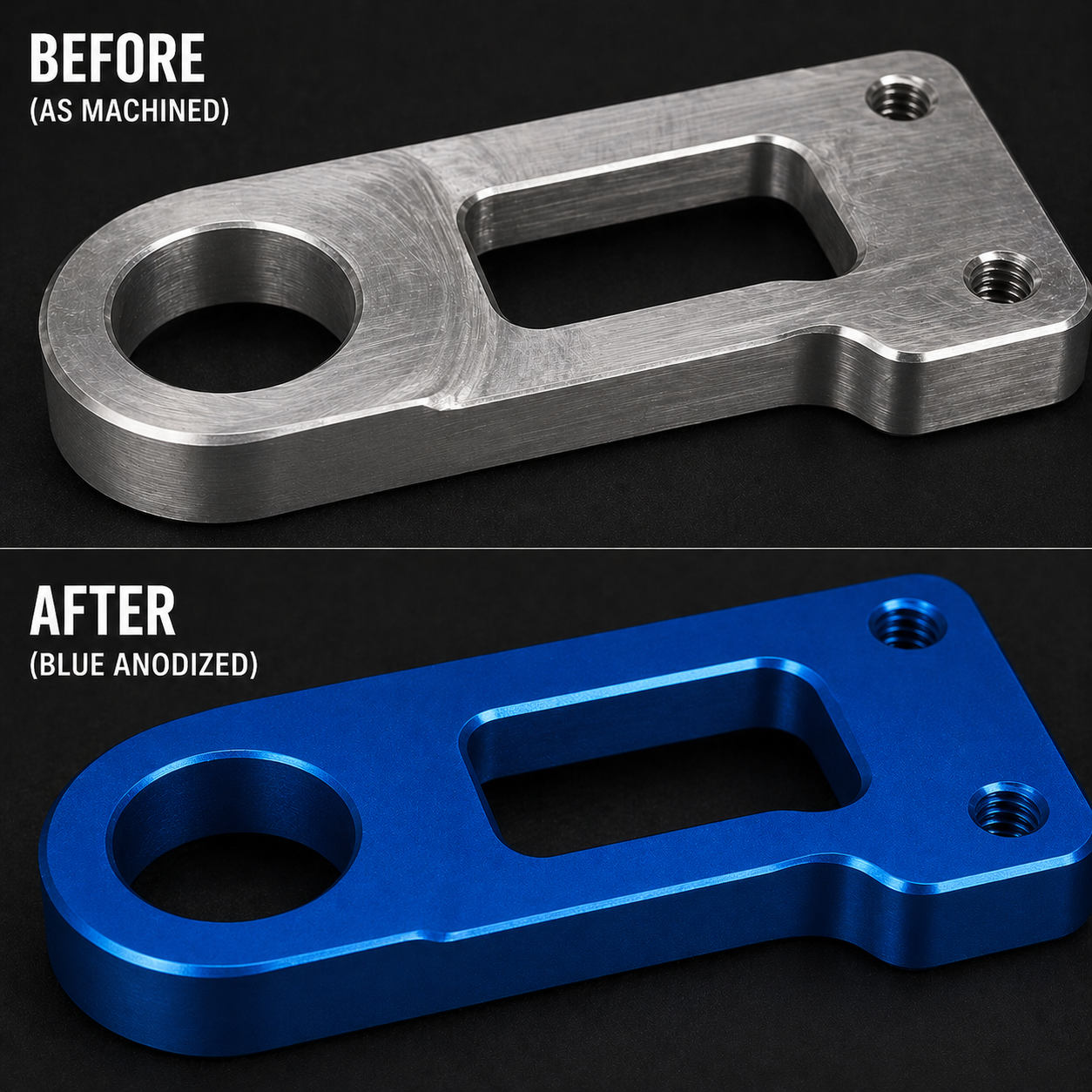
Comparison of metal component before and after blue anodized coating. The "before" shows a raw metal part, and the "after" shows the same part with a bright blue anodized finish.

Bead Blasting vs Other Finishes

Finish Best For Key Difference
Bead Blasting Cosmetic matte finish Uniform texture
Polishing High gloss finish Reflective surface
Anodizing Protection + color Chemical coating
Powder Coating Durability + color Thick coating
Sandblasting Aggressive cleaning Rougher texture
Close-up of a metallic machined component with several threaded holes and cavities.
A metallic engine part with four holes, likely a cylinder head or similar component.
Close-up of a metallic machined part with various cutouts, holes, and channels.

Critical Design Considerations

Before specifying bead blasting:

  • Edges may become slightly softened

  • Threads and precision features may require masking

  • Surface finish affects final appearance

  • Not suitable for mirror or polished finishes

  • May slightly affect tight tolerances

Important: Critical surfaces should be identified and protected before blasting

When to Choose Bead Blasting

Choose bead blasting when your part requires:

  • Clean matte appearance

  • Reduced glare

  • Improved cosmetic consistency

  • Surface preparation before coating

  • High-end visual finish

Ready to Start Your Project?

Take the next step toward precision manufacturing with Max Machining. Whether you have a 2D drawing, a 3D model, or just a concept, our team is ready to provide a fast, accurate quote and guide your project from design to production. Partner with a compliant, trusted, and experienced manufacturing team that delivers quality, speed, and reliability every time.
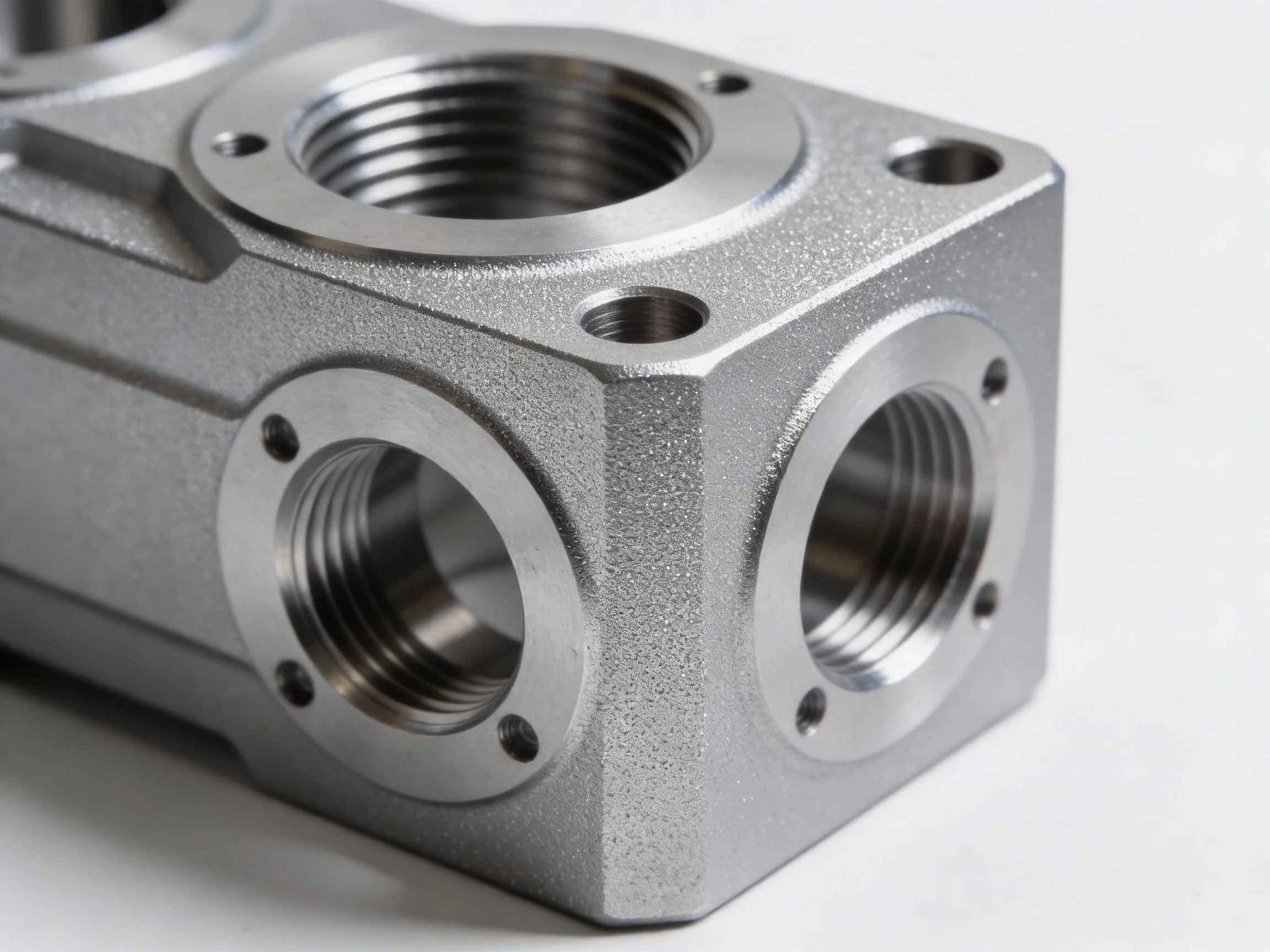
Close-up of a metallic, machined component with threaded holes and a textured surface.
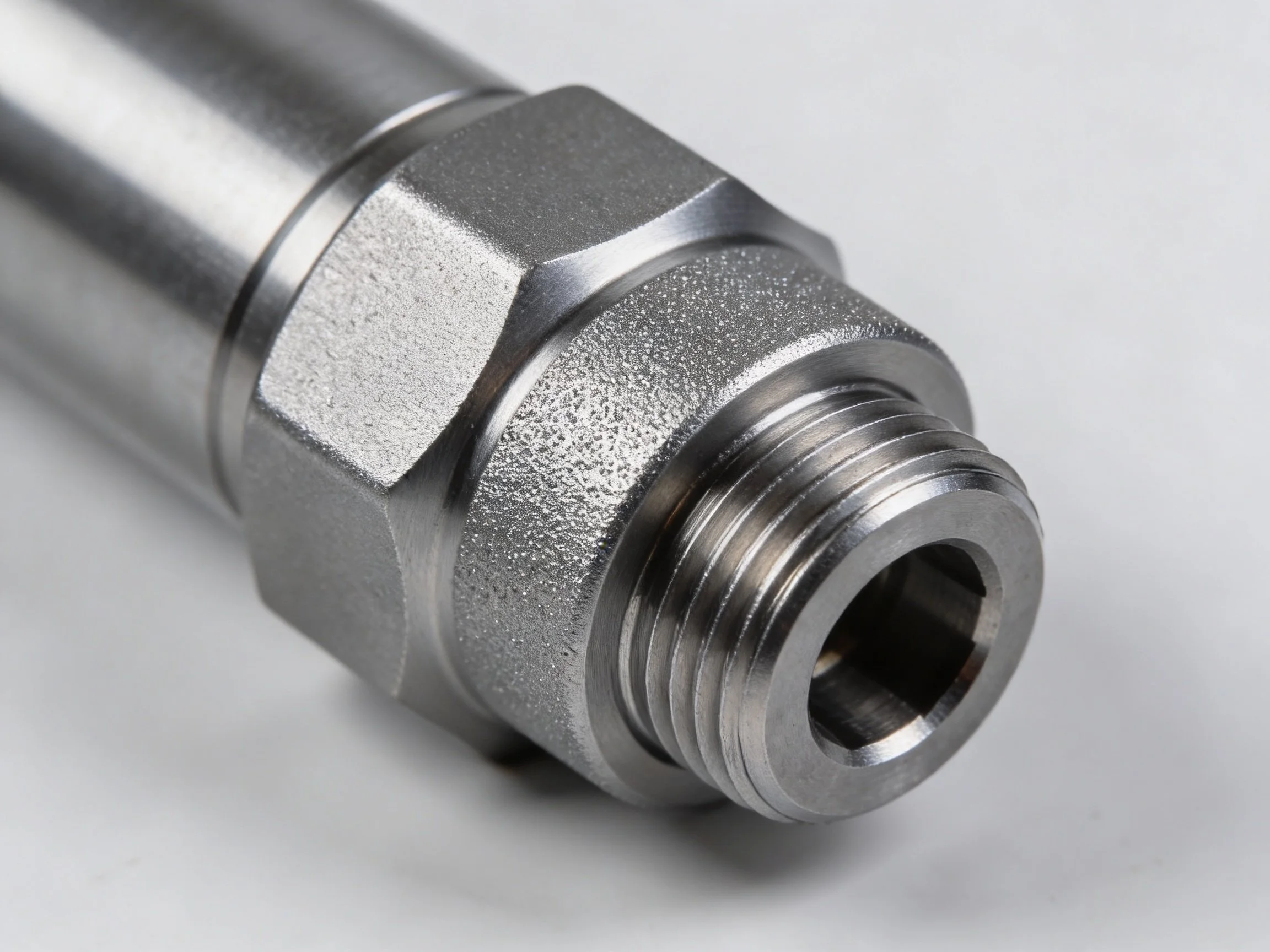
Close-up of a metallic machine part with a threaded end, smooth surfaces, and a matte finish.
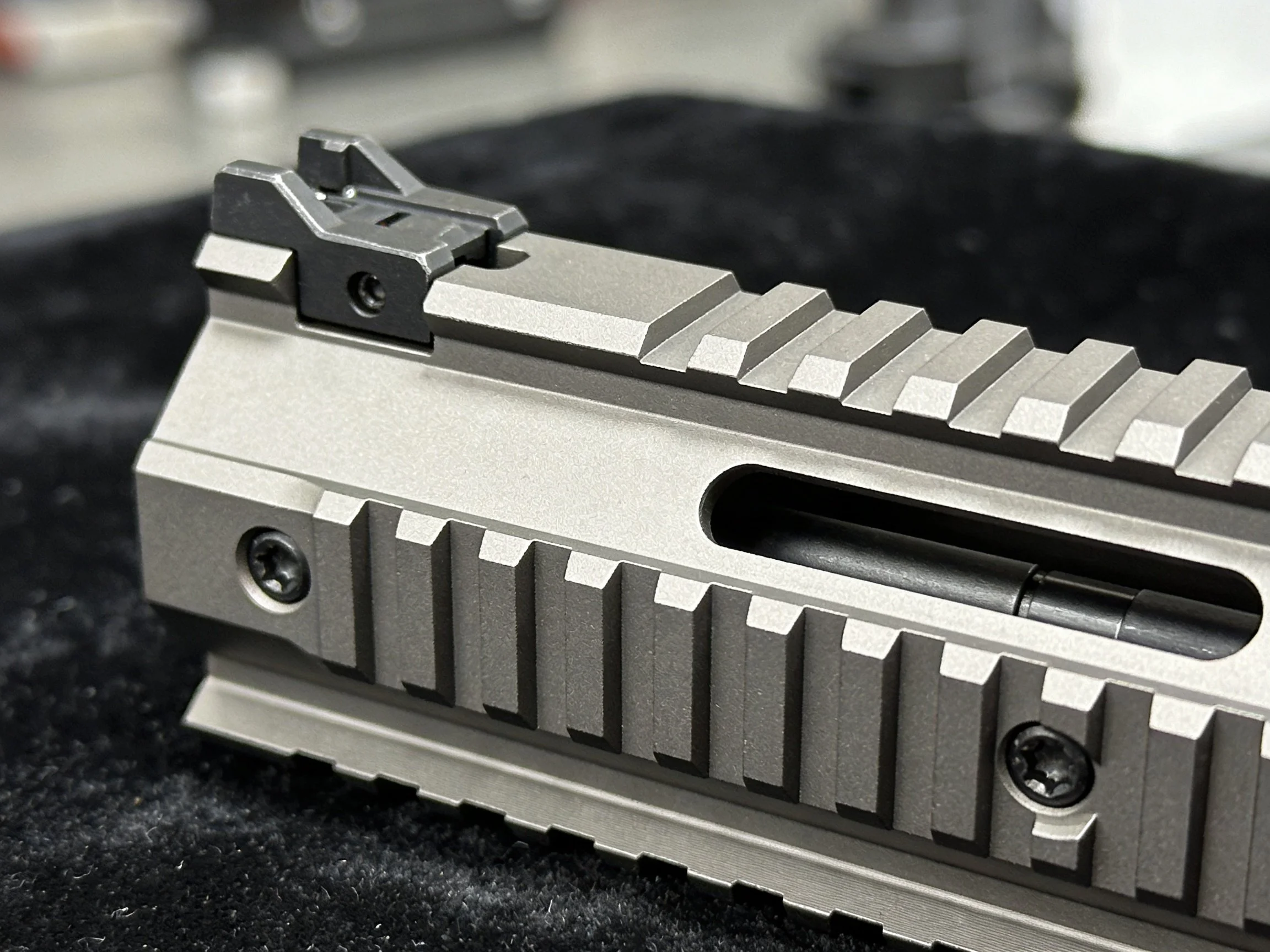
Close-up view of a metallic firearm slide with the front sights and slide serrations visible, resting on a textured black surface.

Industries We Support

Max Machining supports bead blasted components for:

  • Aerospace and defense

  • AI infrastructure and data centers

  • Robotics and automation

  • Industrial equipment

  • Medical and laboratory systems

  • Consumer-facing products