
Plating Services
Corrosion Protection, Conductivity & Precision Surface Engineering
Precision Metal Plating for Performance-Critical Components
Engineered coatings for corrosion resistance, wear protection, and electrical performance.
What Is Metal Plating?
Metal plating is an electrochemical process that deposits a thin layer of metal onto a substrate to enhance:
Corrosion resistance
Wear resistance
Electrical conductivity
Solderability
Cosmetic appearance
Core Plating Types
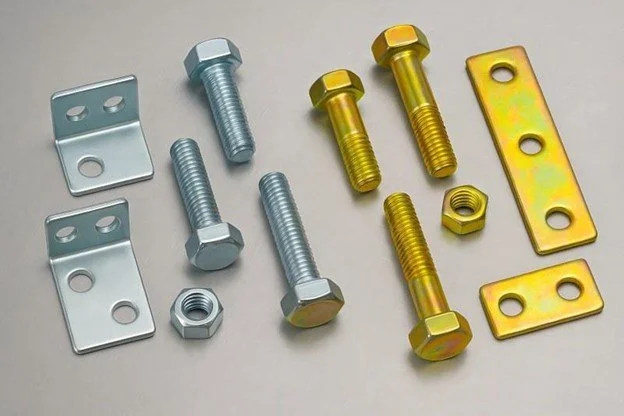
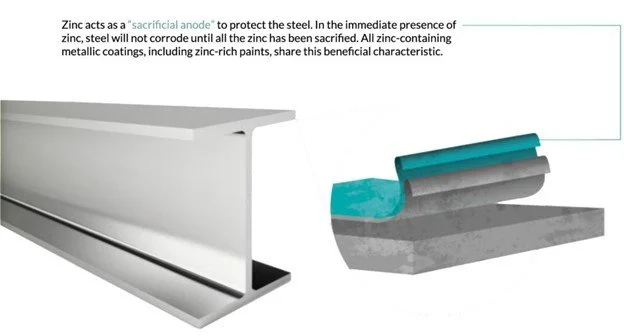
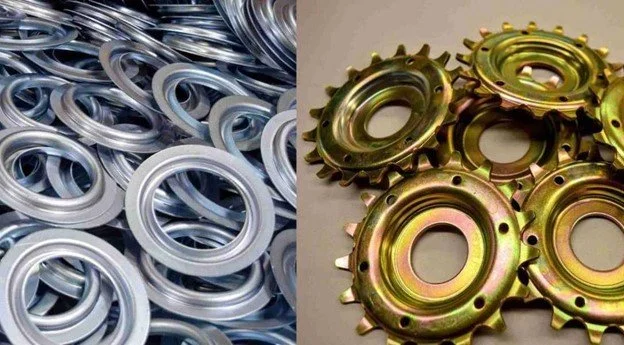
ZINC PLATING (Corrosion Protection Workhorse)
🔧 What It Does:
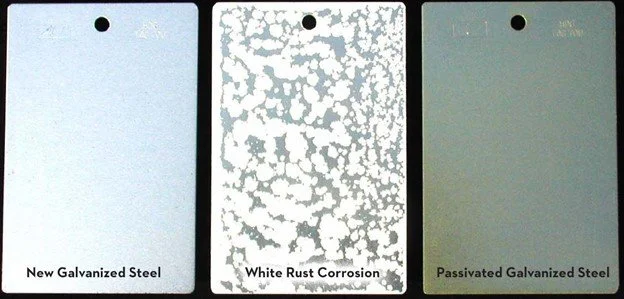
Acts as a sacrificial coating (protects steel by corroding first)
Common for fasteners, brackets, and general hardware
Common Finishes:
Clear (Blue) Zinc
Yellow Chromate (Gold tint)
Black Zinc
Typical Thickness:
0.0002” – 0.0005”
MIL & Industry Specs
ASTM B633
MIL-DTL-16232
ISO 4042
Engineer Notes:
Threads typically still functional (thin coating)
Hydrogen embrittlement risk ⚠️ (requires baking)
Not ideal for marine environments without sealing
Best Use Cases:
Fasteners
Structural brackets
Sheet metal parts
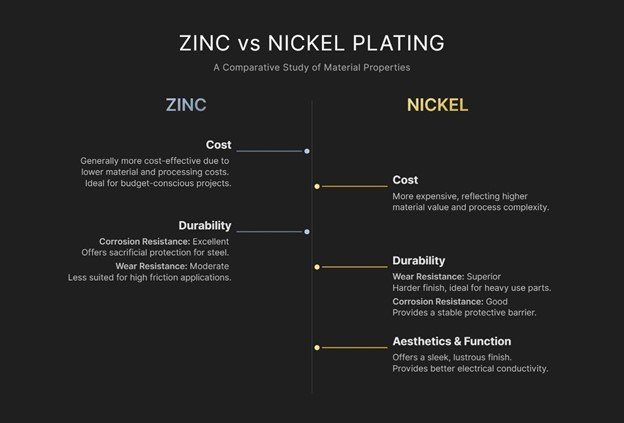
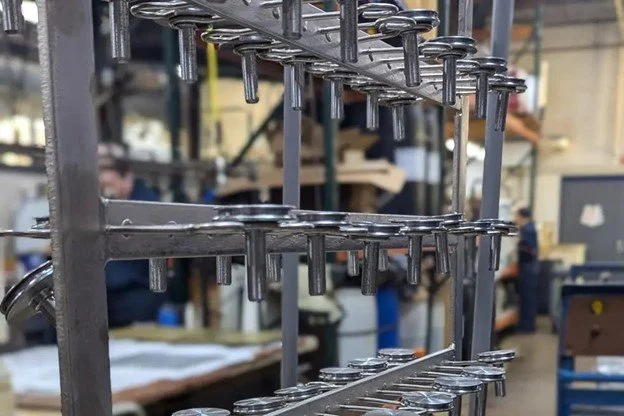
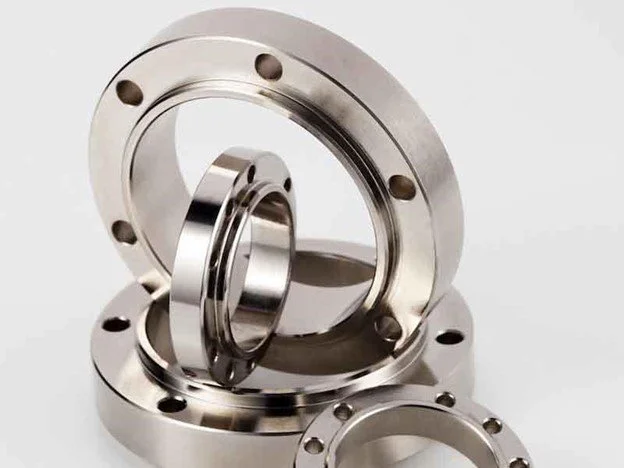
NICKEL PLATING (Wear + Corrosion + Appearance)
🔹 Types of Nickel Plating
1. Electroless Nickel (HIGH VALUE)
Uniform coating (no current required)
Excellent for complex geometry
Thickness:
0.0002” – 0.002”
2. Electrolytic Nickel
Brighter finish
Less uniform in deep features
MIL & Industry Specs
MIL-C-26074
AMS 2404
ASTM B733
Performance Benefits:
🛡️ High corrosion resistance
⚙️ Wear resistance
📏 Uniform thickness (critical for precision parts)
🔩 Good for tight tolerances
Engineer Notes:
Minimal dimensional distortion
Can replace hard chrome in some applications
Great for sealing porous materials
Best Use Cases:
Aerospace components
Precision machined parts
Wear surfaces
Oil & gas components
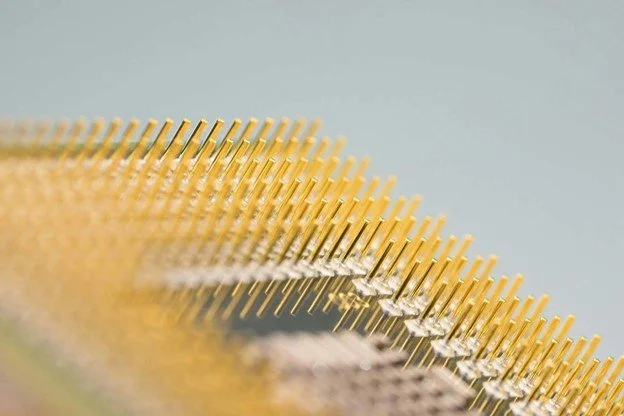
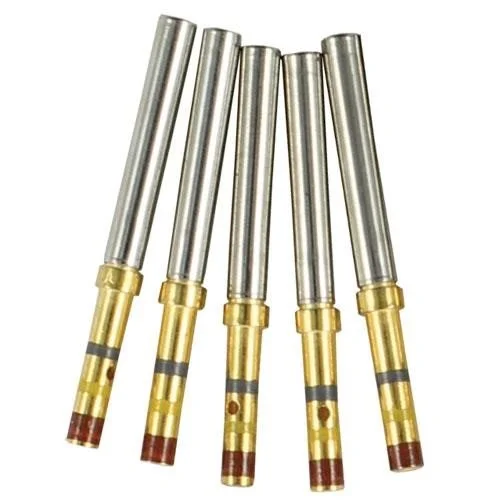
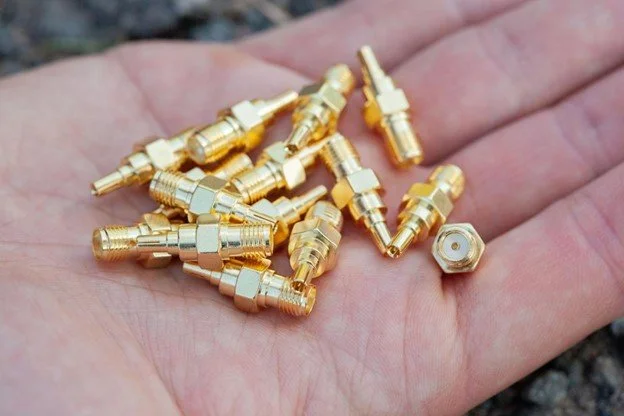
GOLD PLATING (Electrical + High Reliability)
What It Does:
Superior electrical conductivity
Corrosion resistance (does not oxidize)
Ideal for low-voltage / signal applications
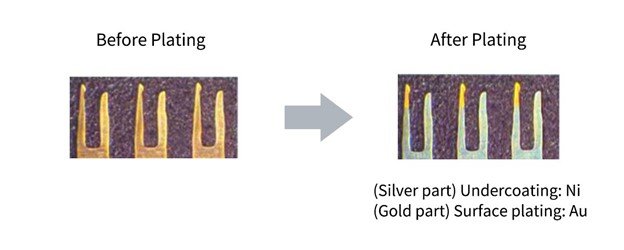
Typical Stack:
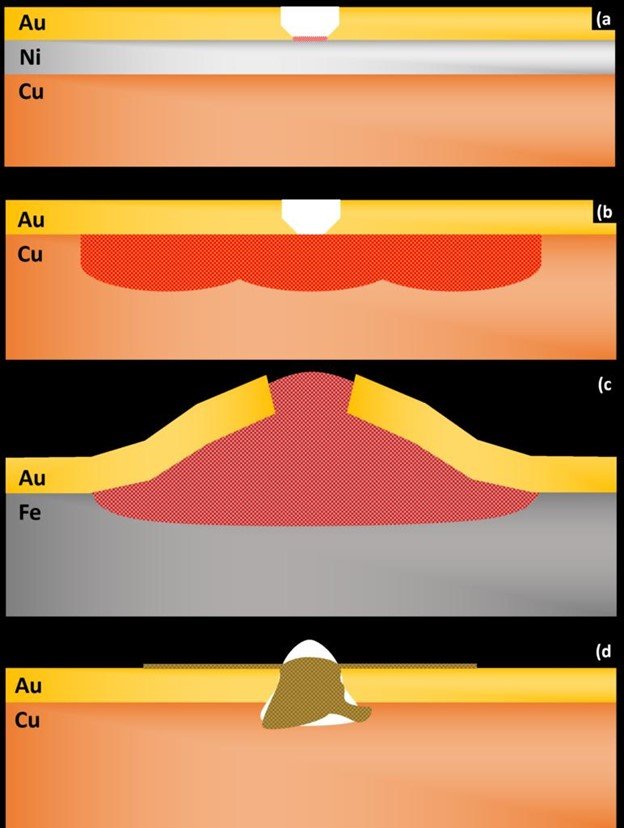
Base material → Nickel underlayer → Gold plating
Thickness:
0.00001” – 0.0001” (typical)
MIL & Industry Specs
MIL-DTL-45204
ASTM B488
Engineer Notes:
Thin gold = conductivity only
Thick gold = wear resistance
Always applied over nickel for adhesion
Best Use Cases:
Electrical connectors
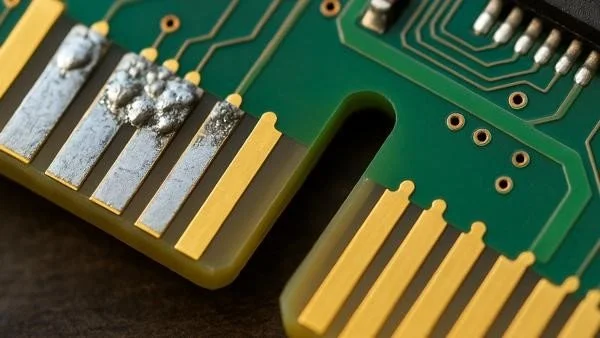
PCB contacts
Aerospace electronics
High-reliability systems
Design For Plating
1
Thread Buildup
Plating adds thickness → threads tighten
Solution:
Oversize threads
Post-tap if required
2
Edge Buildup (High Current Areas)
Edges plate thicker
Can cause:
Fitment issues
Uneven coating
3
Low Current Areas
Deep pockets plate thinner
Risk:
Incomplete coverage
4
Hydrogen Embrittlement (Critical)
Affects high-strength steels
Must be baked after plating
Plating Thickness & Tolerance Impact
Plating VS Other Finishes
Hydrogen embrittlement relief baking available for high-strength components.
Common Defects
Burning (high current areas)
Pitting
Poor adhesion
Uneven thickness
We identify plating risks during quoting before production.

Ready to Start Your Project?
Take the next step toward precision manufacturing with Max Machining. Whether you have a 2D drawing, a 3D model, or just a concept, our team is ready to provide a fast, accurate quote and guide your project from design to production. Partner with a compliant, trusted, and experienced manufacturing team that delivers quality, speed, and reliability every time.